Hydraulic Actuator Type
Selection of actuator types of course adapted to function, load and the intended use of the hydraulic system
A. Single Acting Cylinder
This cylinder gets air supply only from one side only. To return to the original position or return spring is usually used because of its own weight or load .. a single working cylinder can only provide power on one side only. One example of a single-acting cylinder we have seen and we discussed in the module “Fundamentals of Fluid power systems”. There are several types of single-acting cylinder:

Figure 28. Types of single-acting cylinder
B. Double Acting Cylinder (Cylinder Dual Employment)
These cylinders are supplied with liquid flow from the two sides. Its construction is similar to the single-acting cylinder. The advantage is that it can provide power cylinder on both sides. No double-acting cylinder that has a piston rod (piston rod) on one side and some on both sides. Construction to be selected of course be adapted to the needs.
Table Construction Double Acting Cylinder and needs

C. Hydraulic Motors (Hydraulic Motor)
Hydraulic motor converts the energy of fluid (liquid flow) into mechanical continuous rotary movement. The hydraulic motor has been sufficiently developed and their use has been fairly widespread. Various hydraulic motors are as follows:
- Piston Hydraulic Motor
- Sliding Vane Motor
- Gear Motor
The following are examples of hydraulic motors:

Figure 29 radial piston hydraulic motors,
Hydraulic fluid entry pushes the piston, and piston rotates rotating crankshaft and the crankshaft rotating shaft (drive shaft). Can rotate back and forth.

Figure 30. Sliding Vane Motor
Hydraulic fluids enter encourage vane (fan) that can be out of the groove due to the centrifugal force and is always pressed against the wall of the motor. With a rotating vane is then rotated so that the shaft participate timbulah motor rotation.
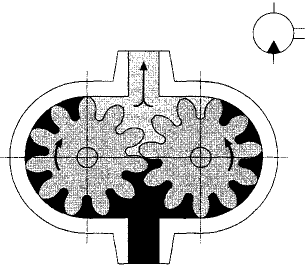
Figure 31 motorcycle gear with one-way movement round.
