Component Setup Method
Successful replacement of components is not only determined by the installation of its components. In order for the component’s lifespan to be perfect, remedial measures must be planned and designed appropriately. The following are the key steps in the installation of components:
1. Be sure to recognize and correct the cause of the damage
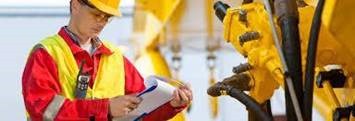
Figure 3.10 Observing and taking notes
Failure to recognize and repair the cause of the damage is a major cause of premature component breakage. Recording the reason for the improvement in the machine history record is very important as the next reference material.
2. Design and use the standard parts kit for all component installations
Prior to installation, all parts and equipment required to install components and repair sub-systems should be ready. Waiting for spare parts availability can slow down the installation and increase the likelihood of occurring harmful errors. Using proper installation procedures and standard parts kits to replace components can minimize the occurrence of errors.

Figure 3.11 Standard hydraulic kit
3. Clean the contaminated system
Cleaning the machine from wear and tear or damage is a very important step for successful improvement. But the most difficult in the improvement process is determining the level of success required. There is no definite answer or suggestion for the hygiene of the system and the extent of the damage. The decision should be based on the amount of contamination in the system, the experience, and the level of risk of damage. Every system cleaning action has its own risk level.
The basic risk levels include:
· The smallest risk
Use off-board filtration, clean the filter and disassembly and system cleansing thoroughly.

Figure 3.12 Off-board filtration
· Medium risk
Use off-board filtration, clean filter and disassembly and partial system cleaning
· High risk
Use off-board filtration and high efficiency cleaning filters to clean oil from flakes, both before and after installation. The system components do not need to be dismantled and cleaned.
· The greatest risk
The system does not need to be cleaned or unloaded. Install new components, oil and new filters, and the machine can be reused again.
4. Install and test its components
Install the components using the mounting procedures and the installed parts installation kit. Test the performance of the component and note the pressure or performance specifications in the machine history record for future reference. Use continuous off-board filtration and cleaning filters for all powertrain and hydraulic components E (except engines) until the oil cleanliness levels reach or exceed ISO 18/15. The machine is ready to be operated again.
Check the leak after the machine has been operating for 8 hours. Check the leak again after the engine runs for 24 hours or take a sample of the olinya to find out the severity of metal wear rate.
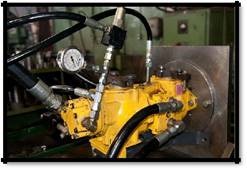
Figure 3.13 Testing the hydraulic pump
