Sweet Potato (Ipomoea batatas L.)
Notice the picture of sweet potatoes that are still accompanied by the leaves. Have you ever seen sweet potatoes around you ?. Sweet potatoes or often known as sweet potatoes , generally have a shape oval slightly irregular. Has relatively thin skin compared to the skin on cassava. Tuber meat consists of various colors, namely white, yellow, reddish orange or purple. The outer skin color is different, usually yellowish white or purple red and not always the same as the color of tuber meat.
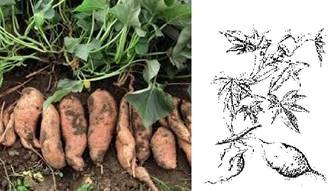
Figure 2.11. Sweet Potato ( Ipomea at top L)
Sweet potatoes with a variety of skin and meat colors can be seen in the following picture.

Picture Sweet potatoes with a variety of skin color and tuber meat
In Africa, sweet potato tubers are an important source of essential food. In Asia, besides being utilized tubers, young leaves of sweet potatoes are also made of vegetables. There are also sweet potatoes used as an ornamental plant because of the beauty of the leaves.
Different types of sweet potato can be found in our country, a type that is quite popular because it has a very sweet taste resembling honey known as Cilembu yam. Cilembu name taken from the origin of sweet potato cultivated, namely Cilembu, West Java. Consumption of this type of yam is usually after the sweet potato is burned / oven.
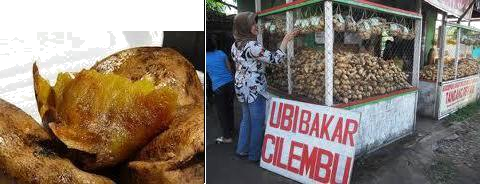
Pictures of Ubi Cilembu
Papua also has a unique type of sweet potato containing beta-carotene compounds that can reduce HIV / AIDS infection. So it is proposed to be the main diet of people with HIV / AIDS along with other materials. Compared with other staple foods, regular sweet potatoes contain the highest vitamin A-forming compounds, reaching 14,187 IU per 100 gram portion, or 89% of daily requirement. Beta carotene is one of the vitamin A compounds.
Chemical properties
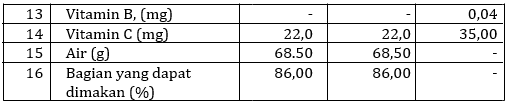
The chemical composition of sweet potatoes varies depending on the type, age, growing state and level of maturity. Their chemical composition is shown in Table 2.10. Most sweet potato carbohydrates are in starch form.
Table 2.10. The chemical composition of the jaws per 100 g of the material

Sweet potatoes contain several types of oligosaccharide sugars that can cause flatulens, namely stakiosa, rafinosa and verbaskosa. Oligosaccharide causes these flatulens can not be digested by bacteria due to the absence of galactosidase enzyme, but is digested by bacteria in the lower bowel. This causes the formation of gas in the colon. Meat tubers also contain fiber with a number of varied, there is little there is also a lot.
