Most Important Stages Ceramics
There are four (4) main stages in making a ceramic object that is forming, drying, incineration, and pengglasiran. Among the four stages, stage pembakaranlah which is the most important stages, which makes the clay is called ceramic. A work of art of the beautiful clay ceramic products was not called as if it has not undergone a process of combustion. Chunks of clay, although not beautiful but has been burning at a specific temperature called has undergone a phase change into a ceramic.
Consider the following picture!
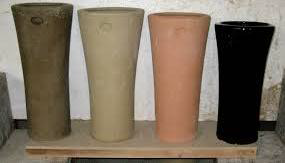
Figure 14. The physical changes that occur due to burning
The picture above shows the changes by naked eye that occurs in the raw ceramic objects to be glazed ceramic objects. These changes occur as a result of the drying process (two objects left) and the combustion process (two objects right). Two characters / properties visible change of the four items above is the color of objects and object size. So what causes this change and other changes?
The discussion will be described in further units. Combustion is at the core of making ceramics that in this process the brittle mass into a mass of dense, hard, and strong. Combustion is done in a furnace / high temperature furnace. There are several parameters that affect the result of combustion, among others, is the temperature of sintering / mature, the furnace atmosphere, and of course the mineral involved.
During combustion, ceramic bodies undergo several important reactions, such as lost / emerging mineral phases, and lost weight (weight loss). Burn ceramic objects is quite critical stage yet fun, because this stage to change the raw objects (greenware) into ceramic objects were overcooked and hard. Without going through the process of combustion, ceramic objects can not be called ceramic products.
So a ceramic object can be regarded as a ceramic product after the combustion process. If the temperature of 600oC has passed through the clay, as the main raw material for the manufacture of ceramic objects will experience the burning process will undergo physical and chemical changes become hard and dense ceramic that can not be destroyed by water. The change process is referred to as a change of ceramic (ceramic change).
However, the clay that has passed through temperatures of 600 ° C does not mean that the clay has been cooked perfectly.
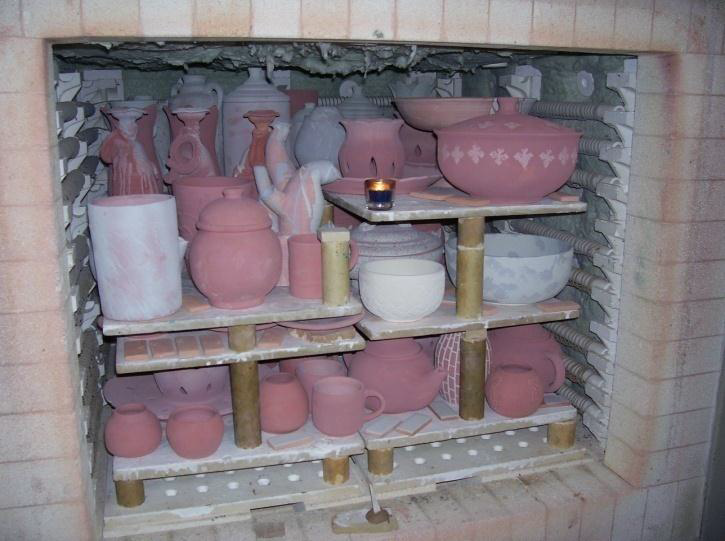
Figure 15. Ceramics ready burnt glaze
