Construction Resistor
A typical construction of fixed resistors shown in Figure 2.1. Type carbon composition was prepared by mixing carbon that has been refined with a binder resin and fillers that are as insulation. Results mixing compressed, formed into bars, and then heated in a heater. Comparison between carbon and isolating filler will determine the resistance value.
The concluding section ends by silver coated copper connections plated tin is then pressed on the bullion resistor. While the possibility of another way, there are some carbon rod mill that has been formed, surrounding the connection is made such that the connection seems set. So that in this way allows a mechanical look better and stronger, and can reduce the risk of electrical noise as a result of a bad connection.
The last process is all the resistors are given a plastic coating or varnish that serves as electrical insulation and protection against moisture wet air.
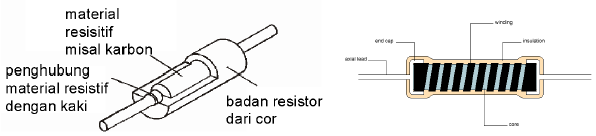
Figure 3.6. Construction assorted Fixed Resistors
According to ohm’s law can be stated:
v (t) = i (t). R
Where
v (t) = voltage to change the time (t)
i (t) = current with respect to the change of time (t)
R = resistance value in (ohms)
In the film resistors are made by depositing a resistive material uniformly high quality ceramic bars. Reistor material can be either pure carbon (carbon membrane); chromium nickel (metal membrane); a mixture of metal and glass (metal layer); or metal and oxide (metal oxide). Selection of ceramic rod is very important because it can increase and decrease the value of resistor properties.
For example, in order to avoid cracking, the thermal expansion must be equal to the thermal expansion of the film material. The common material used is aluminum. Then the resistance value can be determined by making a circular incision trace / threaded portion of the resistive film material. By arranging a very close distance such that the resistance value can be enlarged up to 100 times more.
The technique of making this screw has the advantage that the error factor / tolerances can be fixed up very tightly to ± 1% or better. In the resistor film types, relationship types of materials used and the thickness of the coating film determine the initial resistance value. For example, the material of the metal film of chromium-nickel with a thickness of 150A (0015 m), will provide about 125 Ω resistance value per unit area.
Equations On film resistors – metal layer, the manufacturing process is as follows: First, a piece of metal, either chromium, tungsten, thallium, tantalum, or other types, ground into small particles in the micron size. Furthermore, the metal has become the powder mixed with glass powder of similar size with an organic solvent. Percentage mixture of powdered glass with metal powder will determine the sheet resistance of the material layer, or also called resistive ink.
Then the resistance in the form of the sheet, coated on a ceramic rod, then heated at a temperature of about 1150 ° C for approximately 30 minutes. In this process causes the glass powder melts and begins to flow, thereby attaching coating on the ceramic rods and produce resistor with resistance value is very stable.
The end was given the cover with tin-plated copper connection and the determination of the resistance value is made with slices of trace threaded patterns on layers using a diamond wheel. Resistor which has been completed is then coated with electrically insulating plastic material and protection against environmental influences.
