Ceramic Combustion Safety
In an industry that produces a product, aspects of occupational health and safety (K3) should be an important concern. This aspect should be considered given the human safety is something that is the most important among all other aspects. In addition to producing the goods, in the crafts / ceramics industries also are aspects of potential losses / disorders of the human body. Aspects of that danger can be minimized if we pay attention to the health and safety procedures.
Aspects of danger (hazardeous) can result from processes that do or of the materials used.
1) Process
There are processes that require us to be very careful and shall apply the procedures K3. The things in the process of potentially harmful associated with the burning of ceramic objects, for example:
- Do not use heat-resistant gloves to protect your hands when taking objects from the furnace.
- Not to be careful when looking at the situation inside the furnace. We can peep through the spy hole. Due to the circumstances in the furnace so incandescent, then we must use special protective glasses.
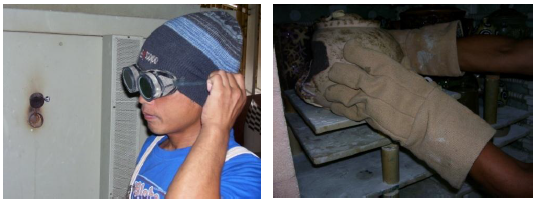
Figure 45. Use protective glasses and gloves in the combustion process
Some of the steps that would need to be followed in order to improve occupational safety and health, including:
- Materials that could potentially cause harm (toxic substances) need to be kept in a safe place and labeled or information about the potential dangers posed.
- The existence of written guidelines on the handling of toxic materials that could pose a danger.
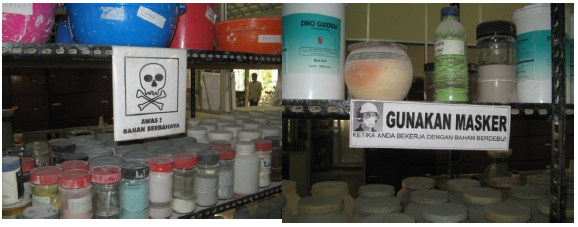
Figure 46. The materials should be warning labels
- Their directions or instructions on the use of occupational safety and health, particularly in the face of the dangers posed in the use of tools or the use of toxic materials.
- Their written instructions about the early signs of intoxication such as dizziness, drunk, and so on and the steps to be taken in the rescue effort.
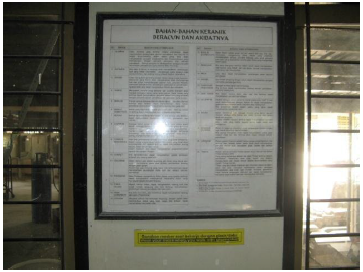
Figure 47. Hazardous materials dipampang to get attention so that the risk of impact can be determined
- Their instructions or guidelines on the storage and disposal of materials that could potentially cause harm.
- The rooms were used in material processing jobs, pengglasiran and burning need for adequate ventilation.
- The need for occupational health and safety equipment such as work clothing, masks, gloves, goggles light and dark, firefighters, and others.
- Adequate lighting in every room.
- Availability of water in the workshop production.
2) Material
Some of the raw materials used in the ceramics industry has a level of toxicity which different. Lead, asbestos, Arsenic and Barium is an ingredient that is widely known as a material with the most potential to cause poisoning if inhaled or swallowed. Effects that can be caused by these toxic substances in general is a disorder of the respiratory tract, skin inflammation, nerve damage, and can even cause paralysis.
