Development Ceramic Goods
Developments burning ceramic items indicate a change in the method of combustion, ie from the campfire into a furnace models. Furnace models aim to further facilitate the control of fire. The hot air will rise, and this became the main principle of the development of the furnace at the time. Discovery updraft furnace (fire rises) can be known from several ancient illustrations, especially the days of ancient Egypt.
This simple combustion furnace starts with the type of furnace kiln bank.
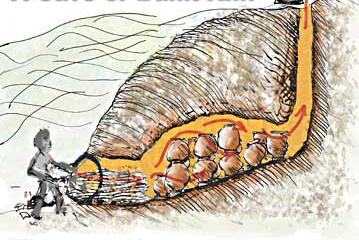
Figure 8. Bank Kiln
Along with the production of porcelain materials at 960-1279 in China began to develop the type of bank climbing kiln furnaces are the type of kiln bank terraces / terraced. Korean people also develop this type of furnace called anagama, which is almost similar to the type of furnace China developed but modified to control the fire. In Japan also developed these furnaces in the 17th century by combining the furnace room 20 as high as 6 ft and 8 ft wide.
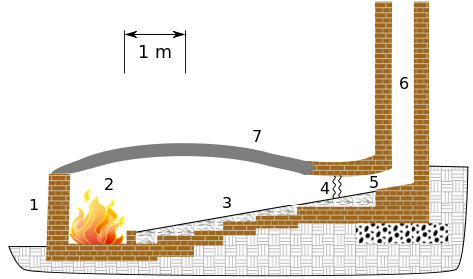
Figure 9. Anagama, a kind of bank-climbing kiln
After that period, the furnace evolved independently in various civilizations the world to produce a better combustion methods. The first ceramic furnace in the form of buildings / circular shape / tube / dome made of local rocks and shards of burnt ceramic bonded to each other with clay mud. In some parts made air holes at the same time to pick up belongings burnt.
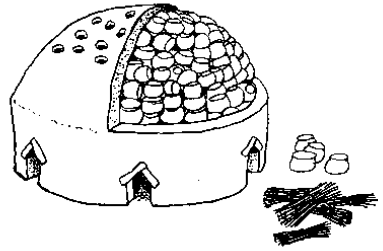
Figure 10. Furnace primitive bonfire fueled circular / tube / dome.
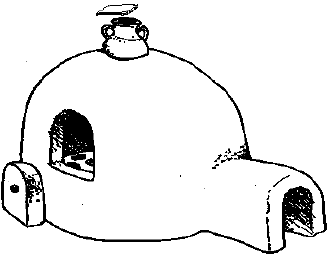
Figure 11. Furnace most widely used in the world in earlier times. Was first used in Greek, Roman and later adopted by various modifications used by the western world for centuries.
