Understanding Furnace
Furnace or kiln is a place / room made of refractory bricks that can be heated with fuel or electricity and used to burn the ceramic objects. Function furnace is to burn bendabenda ceramics arranged therein and burned using a special fuel (wood, coal, oil, gas, or electricity) until all the heat spread and burn all that is in the furnace.
Combustion or heat radiation takes place in the furnace or under the combustion chamber and excess smoke out through the channel fire or a chimney stove. Circulation heat evenly and must be left free around objects when burned.
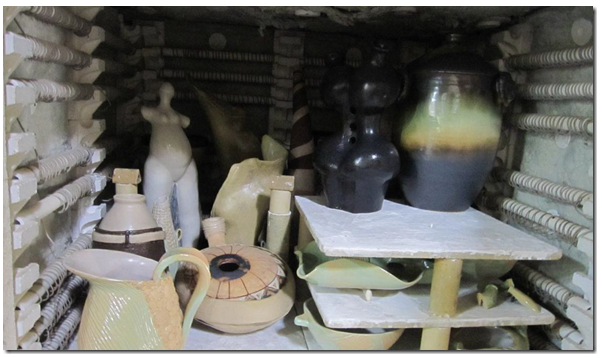
Figure 19. ceramic objects that will be unloaded from the furnace
To obtain a satisfactory combustion products, any type furnace must meet several requirements, among others:
- can reach the desired temperature easily,
- all parts of the furnace at a temperature of the combustion chamber evenly,
- the use of fuel-efficient (saving),
- long service life (durability),
- have procedures for operation and maintenance are easy and inexpensive, and
Currently various types of furnaces can be found both in the centers of ceramics (pottery), studio ceramics, and ceramic industries. Some important factors that should be considered in selecting or designing a ceramic furnace is:
a. Types of furnaces.
What is meant by the type of furnace is the circulation of fire / course of fire, furnace shape, size / capacity and fuel used.
b. The capacity of the furnace.
Capacity is closely related to productivity and volume of the furnace (the combustion chamber), so it should be considered how the size of the furnace to be made.
c. The final temperature to be achieved.
In designing the furnace needs to know the type of entity ceramics will be burned, so that the raw material for the manufacture of furnaces also customize. To be more efficient then chosen furnace that can reach high temperatures.
d. Desired combustion conditions.
Combustion conditions to be achieved (oxidation, reduction, or neutral) should be established in order to determine the shape of the combustion chamber, burner (burner), and the damper.
e. The type of goods to be burned.
Clay ceramic material burned can be divided into terracotta / Earthenware, stoneware or porcelain. Therefore, we need to determine the type of furnace, the size, and the fuel will be used.
f. Type of fuel.
The type of fuel that will be used should consider environmental conditions, whether with wood, oil, gas, coal, or electricity.
g. Location furnace
Location-making furnaces must pay attention to the environmental conditions, in the city, in the suburbs, the factory yard, garage, and others.
h. Plate size / shelves
Fireproof plate size should also be considered to be adjusted to the size of the plate that has been on the market. Various types of furnaces can be used, ranging from the simple to the most modern, in line with the passage of time. Classification of types of furnaces can be distinguished by the shape, mode of operation, contact heat, the use of the name of its inventor, the circulation of the fire, and the fuel used.
