Gembili (Dioscorea aculeata L.)
1). Physical-morphological properties
At first glance these types of tubers are very similar to the kimpul . Look at the picture below!

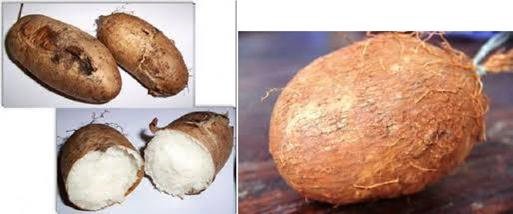
Figure 2.17. Gembili ( Dioscorea aculeata L)
The shape of bulbous bulb (Dioscorea aculeata L.) is generally round to oval, but there are also branched or wide bentk. The surface of the tuber is slippery. Creamy to light brown bulb color, yellowish-green cortex color and clear white turbid flesh color. Umbrella bulb measuring about 4 cm in diameter, length 4 cm to 10 cm depending on the shape of round or oval. The thickness of the bulb skin is about 0.04 cm. The skin of the bulbs is easily shelled out because it is quite thin. Weight bulbs about 100 – 200 grams.
2) Chemical properties
Like other tuber types, the main component of this tuber is carbohydrate so that the tuber is categorized as the expected material as a supplier of energy to replace rice and support food security. The components of carbohydrates and other nutrients can be seen in Table 2.16. Carbohydrates are made from amylose and amylpectin. Gembili bulbs also contain sugars such as glucose and fructose, giving it a sweet taste. Amyloid bulb content of gembili about 14.2% and sugar content of about 7-11% is calculated based on the weight of tuber starch. The bulb also contains sugar of sucrose and tannin.
Table 2.16. Chemical composition of gembili bulbs


Gembili bulb protein contains low amino acid sulfur (methionin and cystine), as well as lysine and tyrosine amino acids and tryptophan. While the other amino acids are quite large. Gembili tubers contain 14 mg of calcium, iron of 0.08 mg and phosphorus of 49 mg in 100 grams of fresh coconut bulbs (Anonymous, 1981)
