Potato (Solanum tuberosum L.)
1). Physical-morphological properties
The potato ( Solanum tuberosum L ) is from South America. The potato tube is the enlarged ends of the stolon (the potato tuber is the bulb tube formed from the stolon tip enlargement). Tuber shape, bud eye, skin color and color of meat varies according to potato varieties. Potato tubers are round, oval and tapered. There are several colors, some white, yellow, purple, red or blue.
Of the many types of potatoes are much cultivated is a type of white and yellow potatoes. Yellow potatoes are preferred over white potatoes because they taste better and tasty and contain less water, while the white potatoes are slightly mushy and have plenty of water. The yellow potatoes are potatoes whose skin and yellow flesh are yellow. White potatoes are potatoes whose skin and flesh are white, while red potatoes are potatoes whose skins are yellow-colored.
Potatoes are tuber species that have a higher economic value compared to other tuber types. There are 3 types of potatoes, namely yellow potatoes, white potatoes and red potatoes.

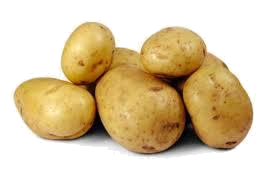
Figure 2.13. Different types of potato ( Solanum tuberosum L)
Of the three types of potatoes, the most popular type of potato is a yellow potato because it has a delicious taste, savory, and tender. Potatoes of this type are generally processed into food or snack. There are also green potatoes.
However, we should avoid consuming this potato, because this type of potato can cause stomach pain, waste of water and headaches. Green potatoes are actually potatoes that are harvested too early or get too much sun. This green color comes from solanin, a type of alkaloid compounds that are toxic. Therefore, avoid processing young and green potatoes so that the benefits and nutritional content of potatoes can be utilized to the maximum.
2). Chemical properties
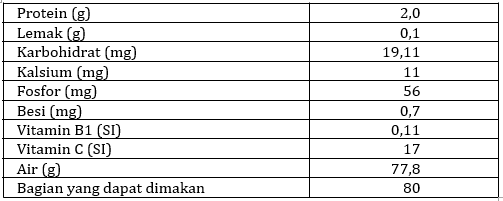
Potatoes are rich in vitamins and minerals. The main composition of potato tubers consists of 80% water, 18% starch, and 2% protein. The nutritional composition of potato tubers and potato starch in 100 g of ingredients is shown in. Table 2.12. In addition to minerals, calcium, phosphorus, and iron, potato tubers also contain several other minerals, namely magnesium, potassium, sodium, chlorine, sulfur, copper, manganese, and cobalt.
Table 2.12. The chemical composition of potato tubers